Retaining Walls, Pavers and Fire Pits: How a Hardscape Project Goes
Hardscaping is the permanent bones of a yard, and a little planning up front makes the whole project go smoother.
October 6, 2026 · 4 min read
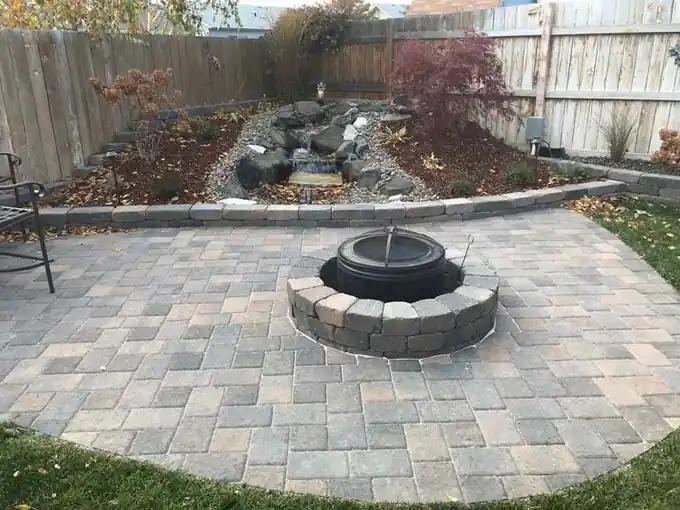
Hardscaping is brick, concrete, stonework and other permanent or durable structures that sit within a landscape. If plants are the soft side of a yard, hardscape is the frame they live in. Done well, it solves real problems like slopes, muddy paths and an empty back corner nobody uses. If you've been thinking about a wall, a patio or a fire pit and you aren't sure where to begin, this is how a project usually unfolds.
What hardscaping can do for your yard
Most hardscape jobs fall into a few buckets. Retaining walls hold back soil and define your landscape, turning a steep, hard-to-use slope into level planting beds or a lawn you can actually mow. Pavers lay out sidewalks and walking paths, or form a patio where there was only dirt. A fire pit gives you a place to gather and entertain in the evening.
The galleries on our landscaping page show the range: block walls beside lawns, paver patios, boulder stairs and terraces, brick inlay walkways, flagstone paths and even a backyard waterfall and pond. They're all permanent, and they all start with the same question: what do you want to do in this space?
Step one: the consultation
The first step is a landscape consultation with Bryan, our owner and landscape architect. He earned a degree in landscape architecture and spent years designing and managing projects before he bought the nursery. This is where you talk about your vision, and also where you describe the problems: the spot that floods, the slope you hate mowing, the neighbor's view you'd like to block.
It helps to bring a few things. Photos of the area from different angles are great. So are pictures of yards, patios or walls you like, even if they aren't exactly your style. A rough idea of how you'll use the space matters most. A patio for two chairs is a very different job than one for a table and eight people.
Step two: design and planning
Once Bryan understands what you're after, the design takes shape. This is the point where decisions like wall height, material and layout get settled, along with how water will move through the yard. Drainage is a big deal. A wall that holds back soil also holds back water, and good drainage behind it is what keeps it standing straight over time.
Ask early about anything that might involve local rules. Taller walls, walls that support a driveway or structure, and fire features can come with requirements that depend on where you live. It's better to find that out during planning than halfway through the build. Also have your sprinkler lines and any buried utilities marked before anyone digs.
Step three: the build
The build is where good prep shows. A lasting wall, patio or path begins below the surface with excavation, a compacted gravel base and careful leveling. You won't see most of that work when the job is done, but it's what keeps pavers from sinking and walls from leaning. The surface pieces go in last and go quickly by comparison.
- Excavation and base: the unseen foundation that does most of the work.
- Walls and structures: block, boulder or stone, built course by course.
- Pavers and paths: laid on a level base and finished tight.
- Fire pits and seating: sized to the space and the people using it.
- Planting and cleanup: beds, lawn repairs and a tidy finish.
Bryan loves to help customers from the first stages of designing their landscape to making sure his crews have finished the construction to your satisfaction. That's a nice thing about working with a nursery that also builds: the plants and the stone come from the same people, so the finished yard feels like one plan.
Fire pits and gathering spaces
A fire pit works best when it's part of a patio rather than an afterthought. Think about seating, how people will walk around it, and which way the evening wind tends to blow. Give it breathing room from the house, overhanging branches and anything that can burn. Your local fire rules and burn restrictions can change by season, so check them before you plan your first fire.
Hardscape and plants belong together
Hardscaping is more than adding in stone walls. The best projects use plantings to soften the edges, so a new wall doesn't look like a raw cliff and a patio doesn't feel like a parking lot. Because we're also a full garden center, we can help you choose shrubs, perennials and trees that fit your new structures, and we can tell you what stays small beside a path and what wants room.
If you're thinking about a project, stop by the nursery at 6710 Tieton Dr. and tell us what you have in mind. You can also call (509) 966-0698 to ask about setting up a consultation with Bryan.
Roots Nursery & Landscape, (509) 966-0698
Call (509) 966-0698More articles
Choosing a Shade Tree for Your Yakima Yard
A shade tree pays you back for decades, so it's worth choosing the right one for the right spot before anything goes in the ground.
Spring Color for Your Porch: What to Plant, and When
Early color goes in first and summer color follows once the nights warm up, and a good porch pot can carry both.