Bringing the Yard Indoors: Houseplants for Yakima Winters
When the garden goes quiet, a few good houseplants keep things green, and a little repotting keeps them that way.
October 6, 2026 · 4 min read
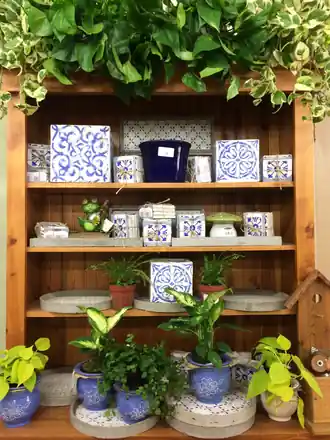
Winter in the valley can feel long. The garden is asleep, the days are short and the view out the window is mostly gray. That's when houseplants come into their own. A few well-chosen pots bring living green into the house, and many of them need less fuss than you'd think.
What winter does to houseplants
Indoor plants face a few challenges in winter. Light is weaker and the days are shorter, so growth slows down. Heating dries the air. Cold drafts near windows and doors can stress sensitive plants. And the number one killer of houseplants is also the easiest to avoid: too much water. A plant that's growing slowly uses less water, so it can sit in wet soil far longer than you'd expect.
In winter, water when the top inch or two of soil feels dry, not on a calendar. Lift the pot, and you'll feel how light it gets when it's ready. Give it a good drink, let the extra drain out, and don't leave water standing in the saucer.
Tough plants for lower light
If your house doesn't get a lot of natural light, start with the forgiving ones. We carry plenty of houseplants, and a few are especially good for beginners:
- Pothos: a trailing vine that tolerates a missed watering and grows happily on a shelf.
- ZZ plants: glossy, upright and hard to kill, even in dim corners.
- Philodendrons: easygoing climbers or trailers with a classic look.
- Dracaena: tall and architectural, good for filling an empty corner.
- Spider plants: arching leaves and little baby plantlets you can share.
Plants that want more light
Some favorites do best near a bright window. Monstera, with its big split leaves, appreciates a bright spot and a little room to spread. Fiddle leaf figs and ficus can be fussier. They dislike being moved, dislike drafts and want steady care, so give them a good location and leave them there. Anthuriums add a pop of color, and ferns like a bit of humidity, which can be tough in a heated house. Setting a fern in a bathroom with a window can help.
For sunny windowsills, look at succulents and cacti. They store water in their leaves and stems, so they like infrequent watering and plenty of light. A Christmas cactus is a favorite for the holidays, and it's a good one to ask about at the counter if you've never grown one. If you have pets or small children, ask us which plants are safe to keep within reach.
How to tell a plant needs repotting
Plants rarely tell you in words, but the signs are easy to spot once you know them. Roots growing out of the drainage hole or circling the top of the soil are a clear signal. So is water that runs straight through the pot without soaking in, since there's more root than soil. A plant that dries out quickly, or one that tips over because it's top-heavy, may also be ready.
You don't need to repot on a schedule. Plants growing slowly in winter often do fine until spring, when growth picks up again. That said, if a plant is clearly root-bound or sitting in tired soil, a fresh start won't hurt it, as long as you're gentle.
How to repot without the drama
Choose a pot only one size larger. A pot that's much too big holds extra wet soil that the roots can't use, and that's an invitation to rot. Make sure it has a drainage hole. Slide the plant out gently, loosen any tight, circling roots with your fingers, and set it in the new pot with fresh potting mix around it. Keep the plant at the same depth it was growing before, then water it in.
- Pick a pot one size up, with a drainage hole.
- Loosen the roots gently and trim any that are mushy or dead.
- Set the plant at the same depth as before.
- Fill in with fresh potting mix and water well.
- Skip the fertilizer for a few weeks and let the plant settle.
Let us do the heavy lifting
Repotting a big plant is awkward, messy and a bit nerve-racking if the plant matters to you. We also offer repotting services. One customer who was new to gardening wrote to thank our staff for helping repot a plant that mattered a lot to her. Bring your plant in, and we'll make sure it lands in a good pot with fresh soil.
Winter is a good time to come in and browse the houseplant tables. Visit us at 6710 Tieton Dr., or call (509) 966-0698 if you'd like to ask about a plant before you make the trip.
Roots Nursery & Landscape, (509) 966-0698
Call (509) 966-0698More articles
Choosing a Shade Tree for Your Yakima Yard
A shade tree pays you back for decades, so it's worth choosing the right one for the right spot before anything goes in the ground.
Spring Color for Your Porch: What to Plant, and When
Early color goes in first and summer color follows once the nights warm up, and a good porch pot can carry both.